


The Nefertiti Bust in Berlin: History, Discovery and Where to See It
The Nefertiti Bust in Berlin: History, Discovery, and Where to See It
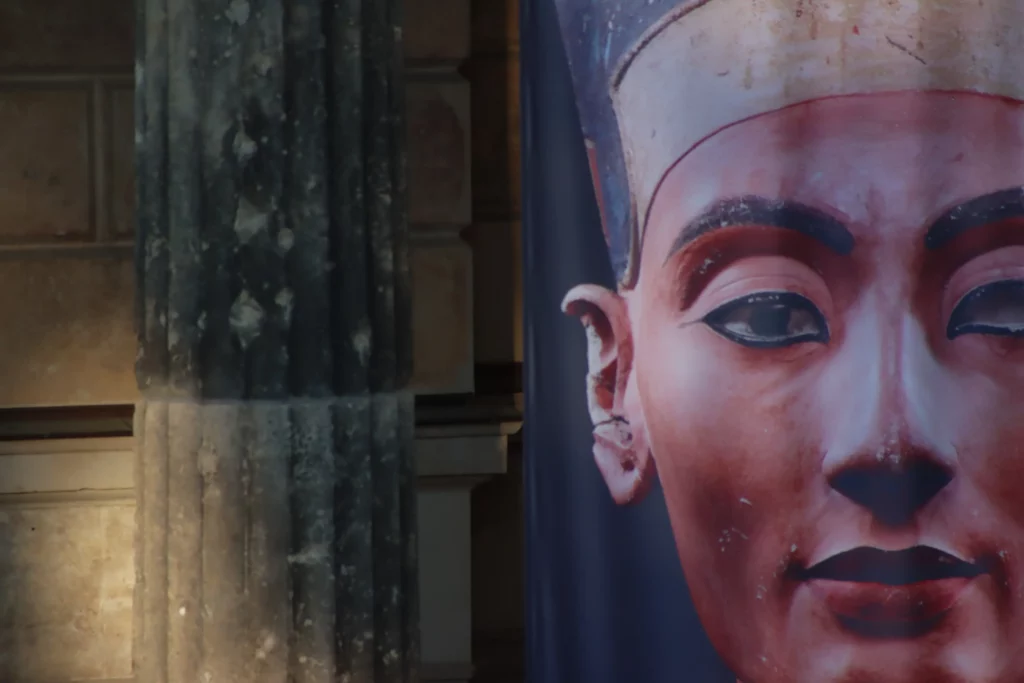
Berlin is a city steeped in history. Most people immediately think of the dark years of Nazism, or the wall that split the city into east and west, but Berlin’s story is far richer than that. There is history with a capital H, like the Kingdom of Prussia or the Thirty Years’ War, but there are also the small, quiet stories that, stitched together like a Rohinton Mistry novel, end up shaping the bigger picture. Today I want to tell you one of those small stories: the story of Ludwig Borchardt, a German archaeologist who, in 1912, uncovered a priceless treasure in the ruins of a royal sculptor’s workshop in Amarna. The Nefertiti bust. That piece would go on to become one of the most recognizable faces in the German capital, while also standing as a major historical figure of ancient Egypt in her own right. I’m talking, of course, about the legendary Queen Nefertiti, wife of Pharaoh Akhenaten. Put on your Indiana Jones hat and discover our city game in Berlin and read on to discover the full story of the Nefertiti bust in Berlin.
How Was the Nefertiti Bust Discovered?
As you’ve read, the bust was found in 1912 at Tell el Amarna, in the ruins of the workshop belonging to royal sculptor Djéhoutymosé, believed to be the artist behind the Nefertiti bust. The man credited with the discovery is German architect and archaeologist Ludwig Borchardt, who had been based in Cairo for years. Borchardt did not find the bust himself. He arrived at the excavation site after being informed of the discovery on 6 December 1912. According to some accounts, Borchardt downplayed the significance of the find, officially classifying the Nefertiti bust as a “bust of a royal princess” or a “painted plaster head,” in order to make its export to Germany easier. He is also said to have written in his journal about the discovery: “Description is useless, one must see it.” Between that classification and that journal entry, it is genuinely hard to say where the truth lies, and I certainly won’t pretend to know.
How Did the Bust End Up in the Neues Museum?
Following the discovery of the bust, a division of finds was arranged in January 1913 between the German team and Egypt’s antiquities service. In theory, the division followed the legal conventions of the time, although the matter remains contested by Egypt today.
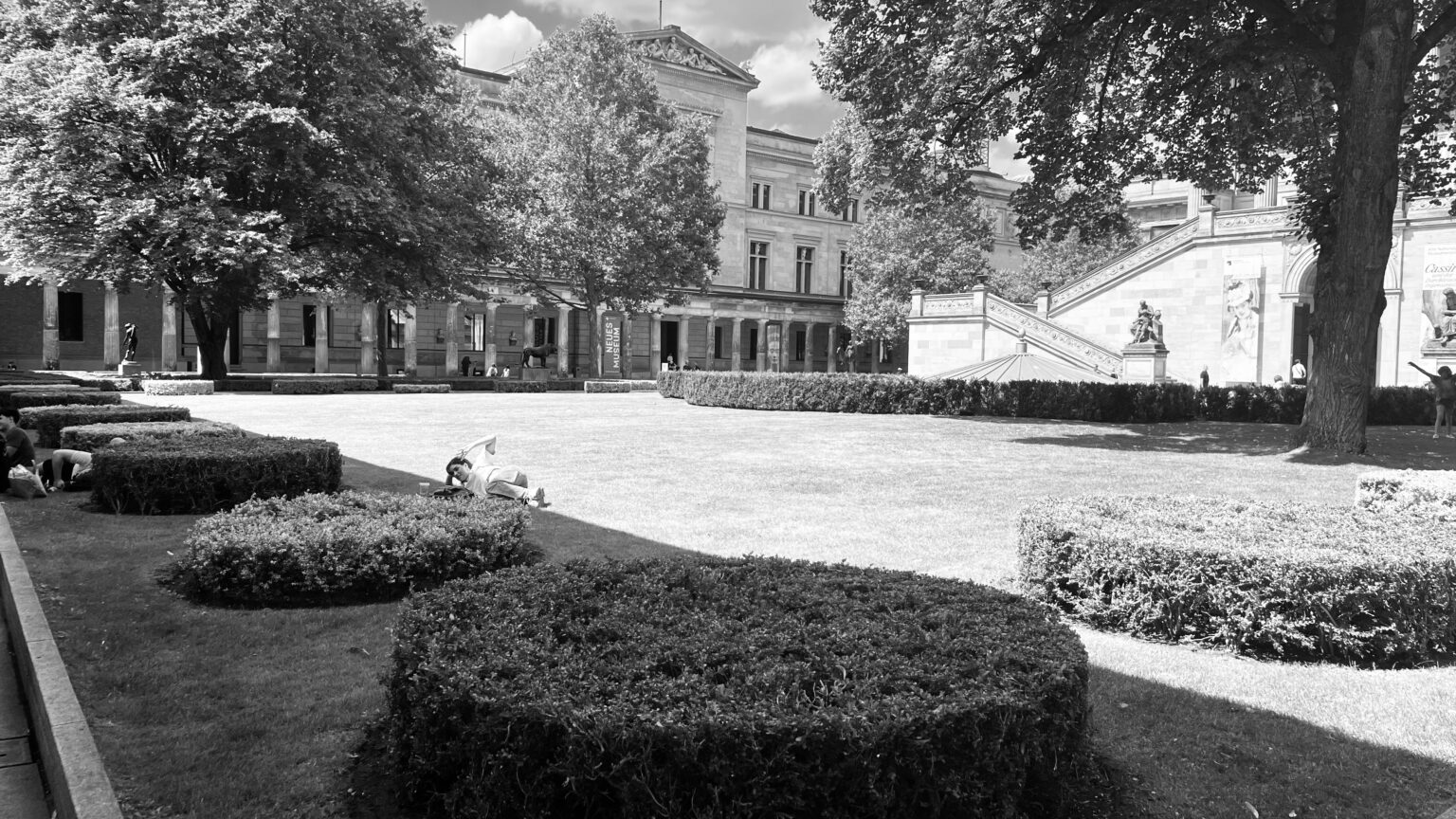
The bust was first displayed in the villa of Henri James Simon (you can actually find the James Simon Gallery today, right next to the Neues Museum on Museum Island in Berlin). It was shown to the public for the first time in 1924, at the Neues Museum. When the Second World War broke out, the Nefertiti bust was moved to safety, first to the vaults of the Prussian state bank, then to a bunker, and even to a salt mine in Thuringia. What a story! Interestingly, after Berlin was divided into four zones, American, Soviet, French and British, the bust returned to the Dahlem Museum in the American zone. On several occasions, East Germany requested that the Nefertiti bust be returned to the Neues Museum. That never happened. The bust would go on to be displayed at the Egyptian Museum in Charlottenburg from 1967 to 2005, then briefly at the Altes Museum, before finally returning to the Neues Museum in 2009. Today, nearly one million people visit the Neues Museum every year, many of them specifically to see the bust of Queen Nefertiti.
The Nefertiti Bust: A History of Conflict Between Germany and Egypt
Egyptian authorities believe that Ludwig Borchardt deliberately downplayed the importance of the discovery to make it easier to send the bust to Germany. What does Germany say? Its official position is that the division rules applied at the time were properly followed.
Egypt has made repeated attempts over the years to recover the Nefertiti bust. Germany was banned from conducting excavations in Egypt in 1925. In 1929, a long period of negotiation began, with an official exchange under consideration. Everything came to a halt in 1933: although Göring gave his approval, Hitler personally vetoed the deal. Between 1945 and 1947, Egypt’s King Farouk asked the Allied governments to return the piece, a request the Allies refused. In the 21st century, Egyptian archaeologist Zahi Hawass, who became head of Egyptian antiquities, tried to secure a loan. Germany refused, arguing that the bust was too fragile for such a journey. In the early 2020s, a broader philosophical debate opened up around the restitution of colonial-era cultural artifacts, putting museums around the world under scrutiny. The opening of the Grand Egyptian Museum in November 2025 gave Egyptian authorities a fresh opportunity to demand the bust’s restitution, backed by a petition with over 200,000 signatures calling for its return. Once again, the request was turned down. The Nefertiti bust remains, without question, a treasure that continues to attract plenty of covetous eyes.
Visiting the Neues Museum to See the Nefertiti Bust
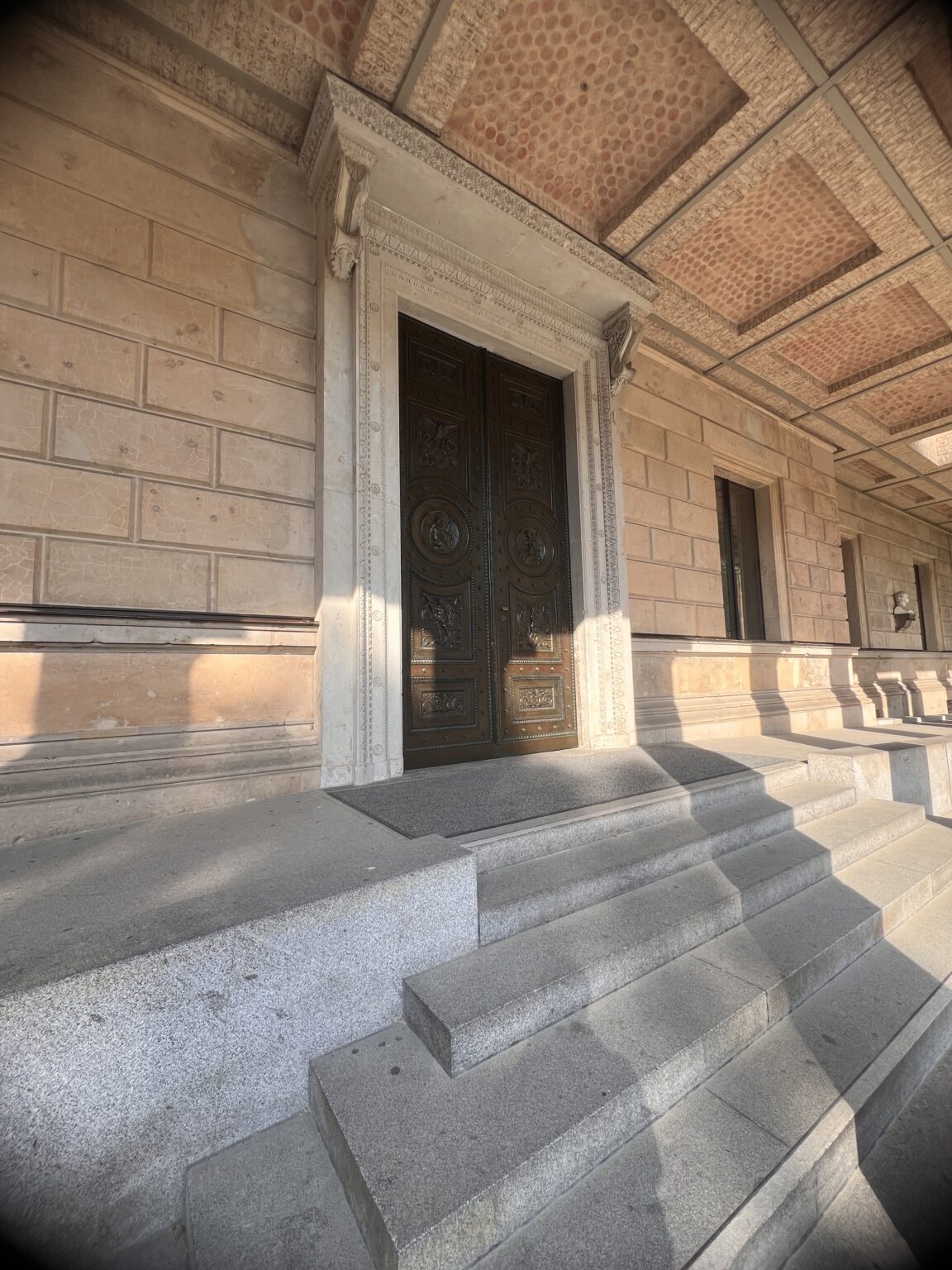
Now that we’ve covered the history of the Nefertiti bust and the geopolitical tensions surrounding it, let’s turn to the real centerpiece of our story: the Nefertiti bust itself. As you’ve probably gathered by now, Berlin is where you can see it, on the city’s famous Museum Island. The Neues Museum is therefore the museum to visit if you want to see the legendary Nefertiti bust with your own eyes. But that’s not all you’ll see, as the museum holds around 9,000 works spread across several floors, tracing human history through the Stone Age, the Bronze Age and the Iron Age. You’ll also find Egyptian tombs, barbarian treasures, and the famous Berlin Green Head. The museum is open Tuesday to Sunday, between 10am and 6pm. The nearest station is Hackescher Markt (S-Bahn), and admission costs €14 for adults, with free entry for children.
Our Outdoor Escape Game: The Nefertiti Affair
Enjoyed the story of the Nefertiti bust, from its discovery to its display at the Neues Museum? Well, the story doesn’t end there, because last night, somewhere in the depths of the Berlin night, the bust was stolen. The pedestal that held it yesterday stands empty this morning. As we mentioned earlier, the Nefertiti bust has always attracted plenty of covetous eyes, and the unthinkable has now happened. Fortunately, not all hope is lost. While fleeing the police, the thief was forced to abandon a mysterious sealed bag, a strange papyrus and a deck of cards at Alexanderplatz. So far, the police haven’t managed to connect these three clues, and the crime scene is waiting for its next investigators. Will you be the next detectives to solve our Outdoor Escape Game Berlin: the Nefertiti Affair?
Q&A
Yes, once you’re admitted to the Neues Museum, the museum is yours for the duration of your visit. The Nefertiti bust is to the Neues Museum what the Mona Lisa is to the Louvre, so don’t expect to have Room 210 to yourself.
The museum opens at 10am and closes at 6pm, giving you a full 8 hours to complete your visit.
No, the standard €14 entry ticket does not give you access to other museums on Museum Island or elsewhere in Berlin. However, there are annual passes available, as well as a “Museum Island” ticket priced at €24, which grants access to several museums.
No, there is no package that combines solving the Nefertiti Affair with a visit to the Neues Museum. That said, the route and puzzles of the Nefertiti Affair will let you see Museum Island from an angle no other tour or visit can offer.
We run two departures a day for the Nefertiti Affair, at 10am and 3pm. Solve our mystery in the morning and visit the museum in the afternoon, or the other way around, it’s your decision!